
What Is a Contact Lens Fitting?
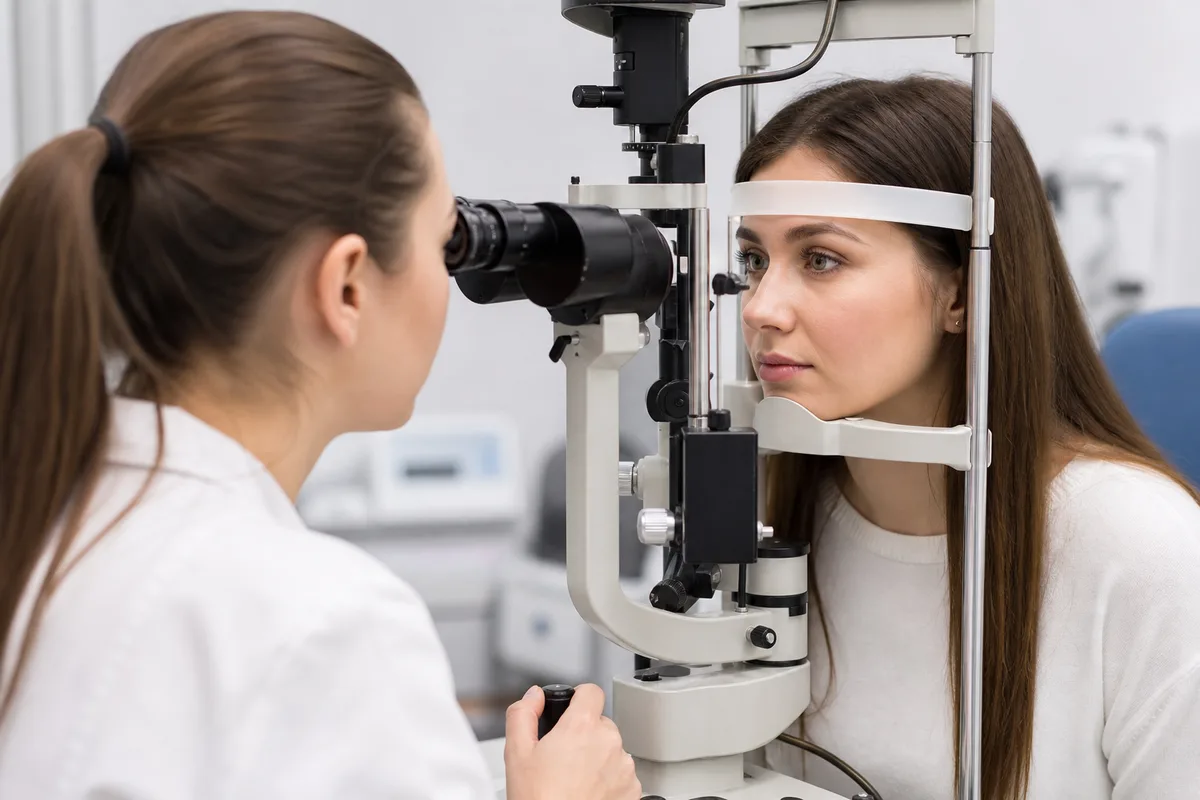
Contact lenses sit directly on the surface of your eye, so getting the fit right matters just as much as getting the prescription right. A contact lens fitting is a specialized evaluation that goes beyond a standard eyeglass prescription — it measures the shape and surface of your eye, tests different lens types for comfort and clarity, and makes sure the lenses you choose move and fit properly with every blink.
Types of Contact Lenses We Fit
Not all contacts are the same, and the right lens depends on your prescription, your eye shape, and your lifestyle. Common lens types include:
- Soft Lenses: The most common type, made from flexible, water-containing material for everyday comfort.
- Toric Lenses: Designed specifically to correct astigmatism, with a shape that stays properly oriented on the eye.
- Multifocal Lenses: Built with multiple prescription zones to correct both distance and near vision, often used for presbyopia.
- Rigid Gas Permeable (RGP) Lenses: Firmer lenses that can provide sharper vision for certain prescriptions and corneal shapes.
Why a Proper Fitting Matters
Comfort
A lens that doesn't fit the curvature of your eye can feel dry, gritty, or irritating — even if the prescription itself is correct. A proper fitting accounts for the exact shape and size of your eye.
Clear, Consistent Vision
Lenses that shift or rotate on the eye can cause vision to blur intermittently, especially with toric or multifocal designs. Fitting ensures the lens stays centered and stable.
Eye Health
A poorly fitted lens can reduce oxygen flow to the cornea or cause irritation over time. A thorough fitting — along with follow-up checks — helps protect the long-term health of your eyes.
What to Expect During a Fitting
A contact lens fitting typically follows a comprehensive eye exam and includes:
- Corneal Measurements: Measuring the curvature of your eye's surface to determine the right lens base curve.
- Pupil and Iris Sizing: Measuring the size of your pupil and the colored part of your eye to select the right lens diameter.
- Tear Film Evaluation: Assessing the quality of your tear film, since dry eyes can affect contact lens comfort.
- Trial Lenses: Trying on sample lenses to evaluate fit, comfort, and vision before finalizing your prescription.
- Insertion and Removal Training: For first-time wearers, hands-on guidance on how to safely put in, remove, and care for your lenses.
Who Should Consider a Contact Lens Fitting
- First-time contact lens wearers who want guidance on lens type and proper handling
- Current wearers due for a routine follow-up, since lens fit and eye health should be reassessed periodically
- Anyone experiencing discomfort, dryness, or blurry vision with their current lenses
- People with astigmatism or presbyopia looking for toric or multifocal lens options
Caring for Your Contact Lenses
Whatever lens type you're fitted with, your provider will walk you through the wear schedule and care routine — including cleaning, storage, and replacement timelines — so your lenses stay comfortable and safe to wear.
Glasses and Contacts, Together
Many patients keep both an updated pair of glasses and a comfortable set of contact lenses on hand. Our on-site optical shop can help with both, so you have options for every day and every activity.
Ready to Book Your Appointment?
Contact us to schedule your contact lens fitting and find the lens that fits your eyes and your lifestyle.