
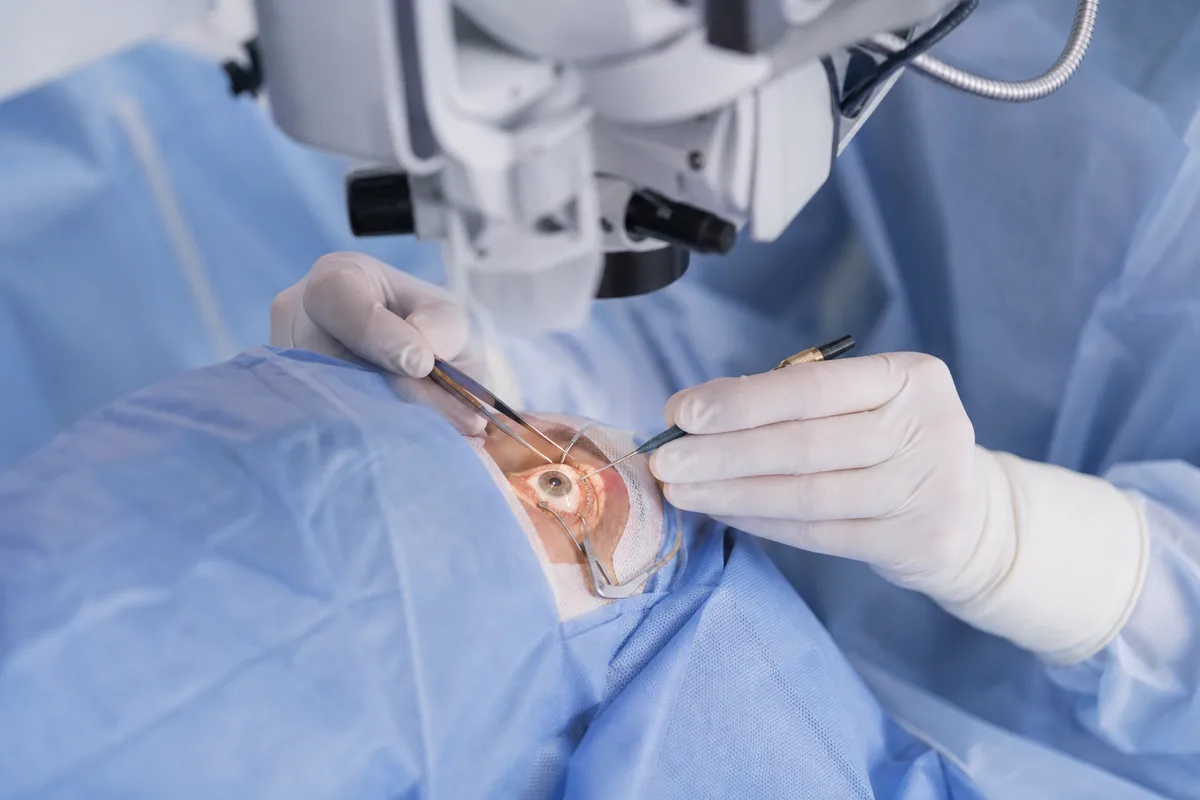
Protecting Your Vision From Glaucoma
Glaucoma is a group of eye conditions that damage the optic nerve, often related to elevated pressure inside the eye. Left unmanaged, it can lead to gradual, permanent vision loss — typically starting with peripheral vision, which is part of why regular eye exams matter even when vision still feels normal. Ace Medical Care's ophthalmology team, including vitreoretinal surgeon Dr. Muhamad Festok, manages glaucoma through a range of treatments, from monitoring and medication to laser and surgical procedures when they're needed.
How Glaucoma Is Managed
Treatment for glaucoma is tailored to the type and severity of the condition, and often starts with the least invasive option that can effectively control eye pressure. Many patients are managed for years with prescription eye drops alone. When drops aren't enough to control eye pressure, or aren't well tolerated, laser or surgical options may be considered.
Selective Laser Trabeculoplasty (SLT)
SLT is a laser procedure that helps improve the eye's natural drainage of fluid, which can lower eye pressure. It's typically performed in-office and is often considered an early step before or alongside medication.
Minimally Invasive Glaucoma Surgery (MIGS)
MIGS refers to a category of newer surgical techniques that use small devices or micro-incisions to improve fluid drainage from the eye, generally with a faster recovery than traditional glaucoma surgery. MIGS procedures are often considered for patients with mild to moderate glaucoma, sometimes at the same time as cataract surgery.
Trabeculectomy
Trabeculectomy is a traditional surgical procedure that creates a new drainage channel for fluid to leave the eye, reducing pressure. It's generally reserved for more advanced glaucoma or cases where other treatments haven't sufficiently controlled eye pressure.
Tube Shunt Surgery
A tube shunt is a small device implanted in the eye to help drain fluid and lower pressure. It's often considered for patients with more complex or advanced glaucoma, including those who haven't responded well to other surgical approaches.
What to Expect
Whichever approach is right for you, our team will walk you through the specifics: how the procedure works, what recovery involves, and the follow-up schedule needed to monitor your eye pressure and optic nerve health afterward. Because glaucoma is a chronic condition, ongoing monitoring remains important even after a successful procedure.
Why Early Detection Matters
Glaucoma often develops without noticeable symptoms in its early stages, which is why regular comprehensive eye exams, including pressure checks and optic nerve evaluation, are the best way to catch it early. The earlier glaucoma is identified, the more treatment options are typically available to help preserve vision.
Ready to Book Your Appointment?
Contact Ace Medical Care to schedule a glaucoma evaluation with our ophthalmology team.